Thai Massage – Your Quick Guide to Authentic Relaxation
Thinking about trying Thai massage? You’re not alone. More people are swapping a usual Swedish rub for the stretch‑y, pressure‑rich style that feels like a gentle workout and a deep unwind at the same time. Below you’ll find the basics, why it works, and how to pick a place that matches your vibe.
What Makes Thai Massage Different?
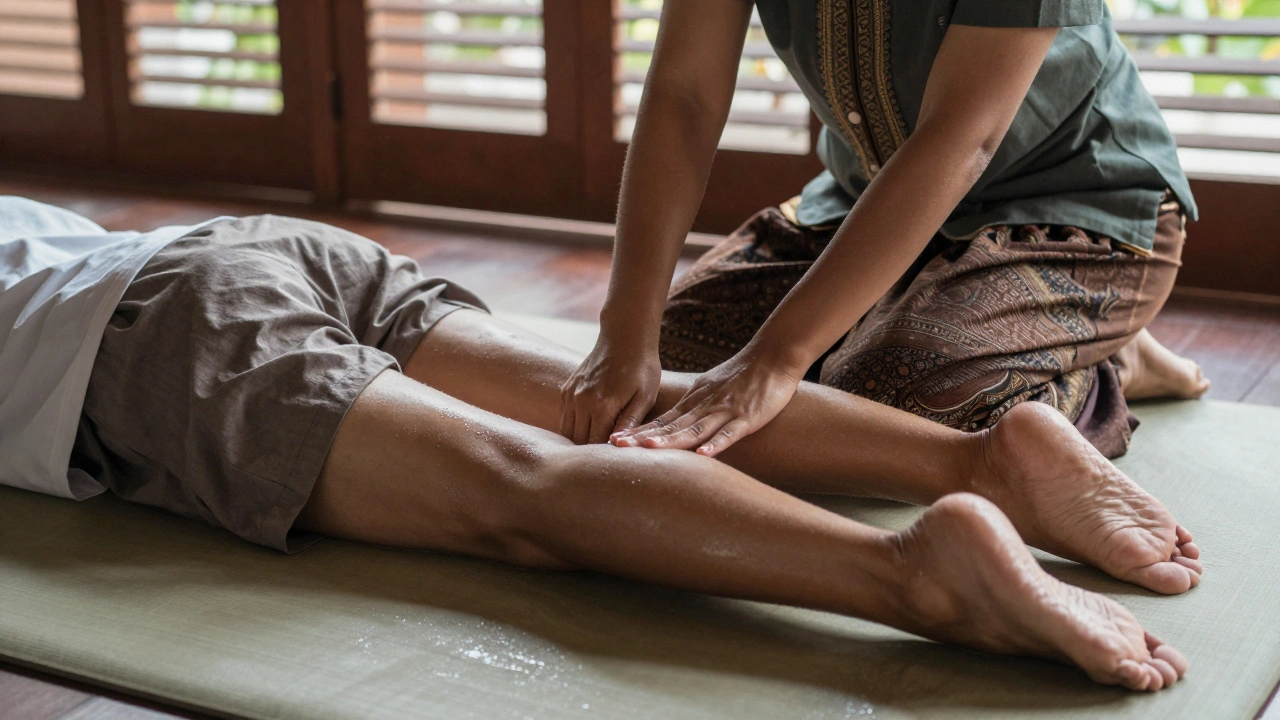
Thai massage blends assisted yoga moves, rhythmic stretching, and pressing along the body’s energy lines. There’s no table or oil – you stay on a mat on the floor, wear loose clothes, and the therapist uses hands, elbows, knees and sometimes even feet to guide you through each pose. The flow feels like a dance where you’re both the dancer and the audience.
Because the therapist moves you, you get a stronger sense of body awareness. Many say they leave feeling looser than after a regular massage, with muscles less tight and joints more mobile. If you enjoy a light workout but don’t want the sweat, Thai massage hits that sweet spot.
Top Benefits You’ll Notice
- Improved flexibility: Regular sessions can make hamstrings and hips less stiff.
- Better circulation: The rhythmic pressure helps blood and lymph flow, which can reduce swelling.
- Stress relief: The slow, mindful movements trigger the parasympathetic nervous system, so you feel calmer.
- Energy boost: Many clients report feeling more awake and focused after a session.
- Pain reduction: Neck, back and joint aches often ease because tight muscles are released.
All of these come without the need for heavy equipment or an intense cardio routine. Just a qualified therapist and a willing body.
How to Choose a Thai Massage Therapist in London
London has a growing number of Thai‑style studios. Here’s a quick checklist to narrow it down:
- Check credentials: Look for therapists trained in accredited Thai massage schools or who have a solid track record.
- Read reviews: Real client feedback tells you if the therapist respects boundaries and creates a comfortable environment.
- Visit the space: A clean, quiet room with a comfortable mat is a good sign. Some places offer a quick demo or a short consultation before booking.
- Discuss your goals: Whether you’re after flexibility, pain relief, or pure relaxation, tell the therapist so they can tailor the session.
- Know the pricing: Typical London rates range from £60 to £120 for a 60‑minute session. Look for clear pricing and any package discounts.
If you’re new, start with a 60‑minute introductory session. It gives you enough time for a full stretch circuit without overwhelming you.
What to Expect During Your First Session
You’ll change into loose clothes – think yoga pants or a simple T‑shirt. The therapist will ask about any injuries or areas you’d like to focus on. Then the session begins with gentle warm‑up stretches, followed by deeper pulls and presses. You’ll stay on the floor, and the therapist will guide you in and out of each pose. Expect to breathe slowly and follow their cues; the whole thing feels like a guided meditation in motion.
After the massage, you’ll likely feel a mix of mild fatigue and lightness. Drink water, stretch a bit, and give your body a few hours to settle. Most people notice improved posture and less tension the next day.
Booking Tips & Common Questions
Use the site’s search filter to find “Thai massage London” listings, then compare prices, location, and client ratings. A quick call or email can confirm availability and any covid‑related safety steps.
Common questions:
- Do I need to be flexible? No. The therapist works with your current range and gradually expands it.
- Is it painful? Pressure can feel deep, but you should never feel sharp pain. Speak up if anything hurts.
- Can I bring a friend? Typically sessions are private, but some studios offer couple rooms for a shared experience.
Ready to try? Pick a reputable studio, book a slot, and enjoy the blend of stretch, press, and relaxation that only Thai massage can deliver.
How Thai Massage Can Improve Flexibility and Reduce Pain
Thai massage combines stretching and pressure to improve flexibility and reduce chronic pain. Learn how this ancient therapy works, what to expect, and where to find authentic sessions in London.
view more
How to Incorporate Thai Massage into Your Self-Care Routine
Learn how to bring Thai massage into your daily self-care routine with simple stretches, acupressure techniques, and professional tips. No spa required.
view more
Thai Massage: Traditional Healing and Modern Wellness in 2025
Discover Thai massage as both a cultural journey and a powerful wellness practice. Learn its meaningful traditions, specific benefits, session tips, and how to choose the best experience—whether you're a curious traveler or craving real relaxation.
view more
How Thai Massage Helps Ease Chronic Pain
Discover how Thai massage can be a powerful tool in alleviating chronic pain. Learn about its origins and unique techniques that differentiate it from other forms of massage therapy. Understand the benefits and find practical tips on how to incorporate it into your pain management routine. Explore various options available and know what to expect during a Thai massage session to maximize its effectiveness.
view more