You’ve pushed hard in training. Your legs are tight, your shoulders are stiff, and your back is screaming for relief. You’ve tried foam rollers, ice baths, even stretching routines that feel more like punishment than recovery. But what if the key to staying injury-free isn’t more work-it’s Thai massage?
What Thai Massage Really Is (And Why Athletes Swear By It)
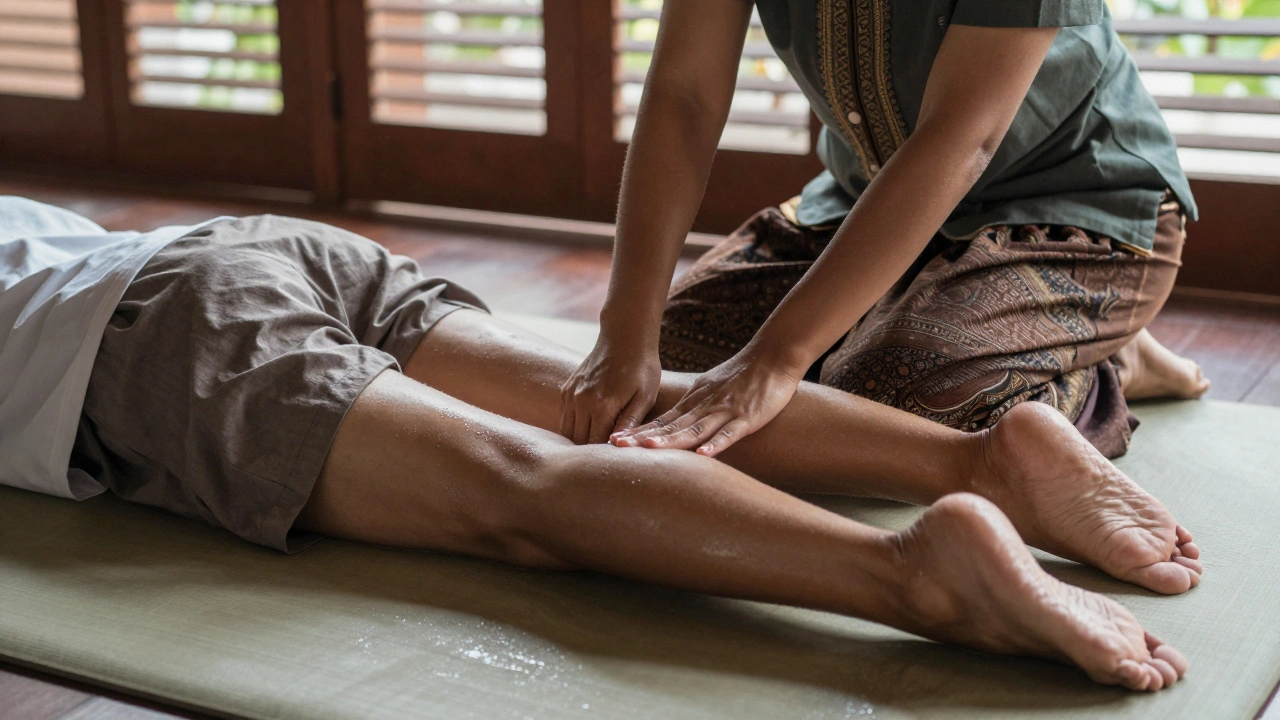
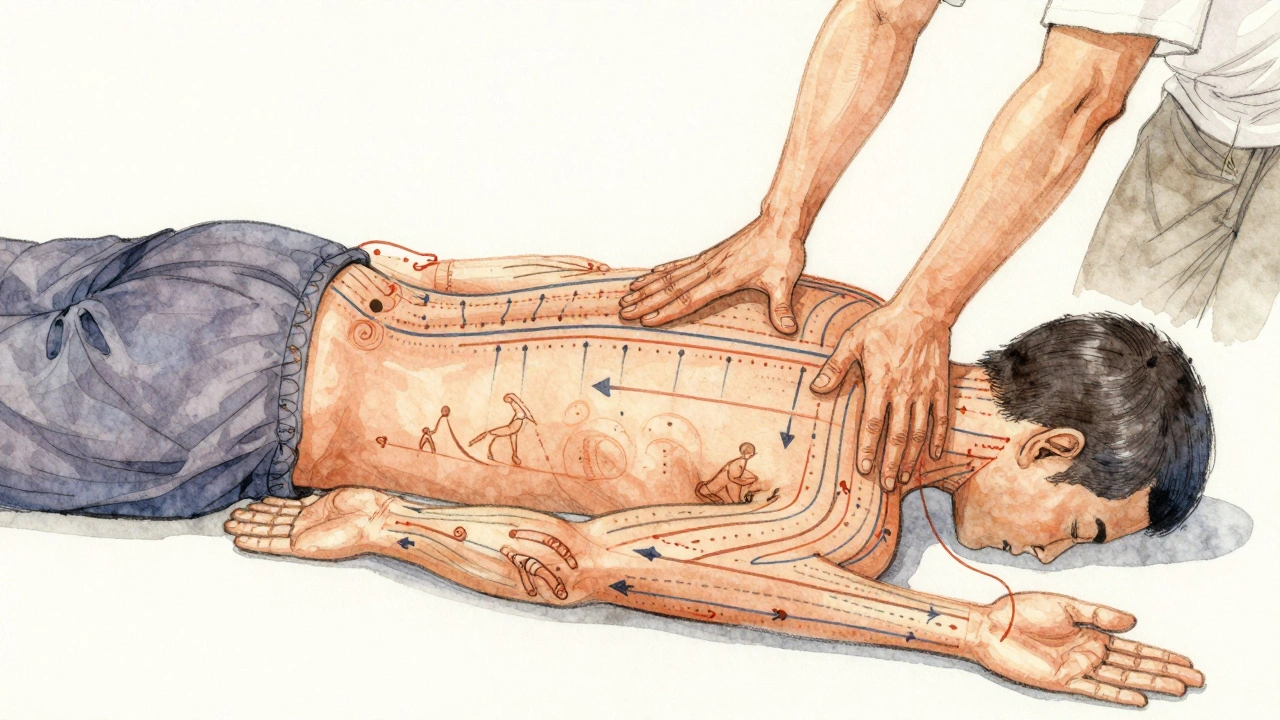
Thai massage isn’t just another spa treatment. It’s a 2,500-year-old healing system from Thailand that blends acupressure, assisted yoga postures, and deep stretching. Unlike Swedish massage, where you lie still, Thai massage happens on a mat. You stay dressed in loose clothes while the therapist uses their hands, elbows, knees, and feet to guide your body through controlled stretches and pressure points.
Think of it like a dynamic stretch session with a human resistance band. No oils. No nudity. Just you, your body, and someone who knows exactly how to unlock tension without causing pain.
Why do pro athletes-from soccer players in the Premier League to MMA fighters in Bangkok-use it? Because it doesn’t just relax you. It rewires how your muscles move.
How Thai Massage Stops Injuries Before They Happen
Injuries don’t happen in a single bad step. They build up over weeks of tight hamstrings, uneven hip rotation, or stiff shoulders that force your neck to compensate. Thai massage tackles these hidden imbalances before they turn into tears, strains, or stress fractures.
Here’s how:
- Improves range of motion: Tight hip flexors? A Thai therapist will gently open them with seated forward bends and knee-to-chest pulls. More mobility means less strain on your knees and lower back during sprints or jumps.
- Releases fascia: That sticky connective tissue around your muscles? It gets glued down from repetitive motion. Thai massage uses deep, rhythmic pressure to peel it back, letting muscles glide freely again.
- Restores symmetry: Most athletes favor one side. Your right quad is stronger than your left. Your left shoulder is tighter. Thai massage doesn’t just treat symptoms-it finds and corrects these asymmetries before they cause limps or overuse injuries.
- Boosts circulation: Blood flow carries oxygen and nutrients to tired muscles and flushes out lactic acid. Thai massage’s rhythmic compressions act like a pump, speeding up recovery after hard workouts.
A 2023 study in the Journal of Sports Rehabilitation tracked 60 amateur runners over 12 weeks. Those who got weekly Thai massage had 42% fewer muscle strains and 31% fewer tendon issues compared to those who only stretched on their own.
Thai Massage vs. Other Recovery Methods
| Method | Focus | Time Needed | Cost per Session | Best For |
|---|---|---|---|---|
| Thai Massage | Flexibility, alignment, fascia release | 60-90 minutes | £50-£80 | Preventing chronic imbalances |
| Swedish Massage | Relaxation, surface muscle tension | 60 minutes | £40-£65 | Post-event calm |
| Deep Tissue | Chronic knots, deep muscle layers | 60-75 minutes | £55-£90 | Breaking up scar tissue |
| Foam Rolling | Self-myofascial release | 15-20 minutes | £20-£50 (one-time cost) | Daily maintenance |
| Cryotherapy | Inflammation reduction | 2-3 minutes | £30-£60 | Immediate post-game swelling |
Thai massage stands out because it doesn’t just soothe-it reprograms. Foam rolling helps. Ice baths cool you down. But only Thai massage actively repositions your joints and lengthens muscles in ways you can’t do alone.
What Happens During a Thai Massage Session
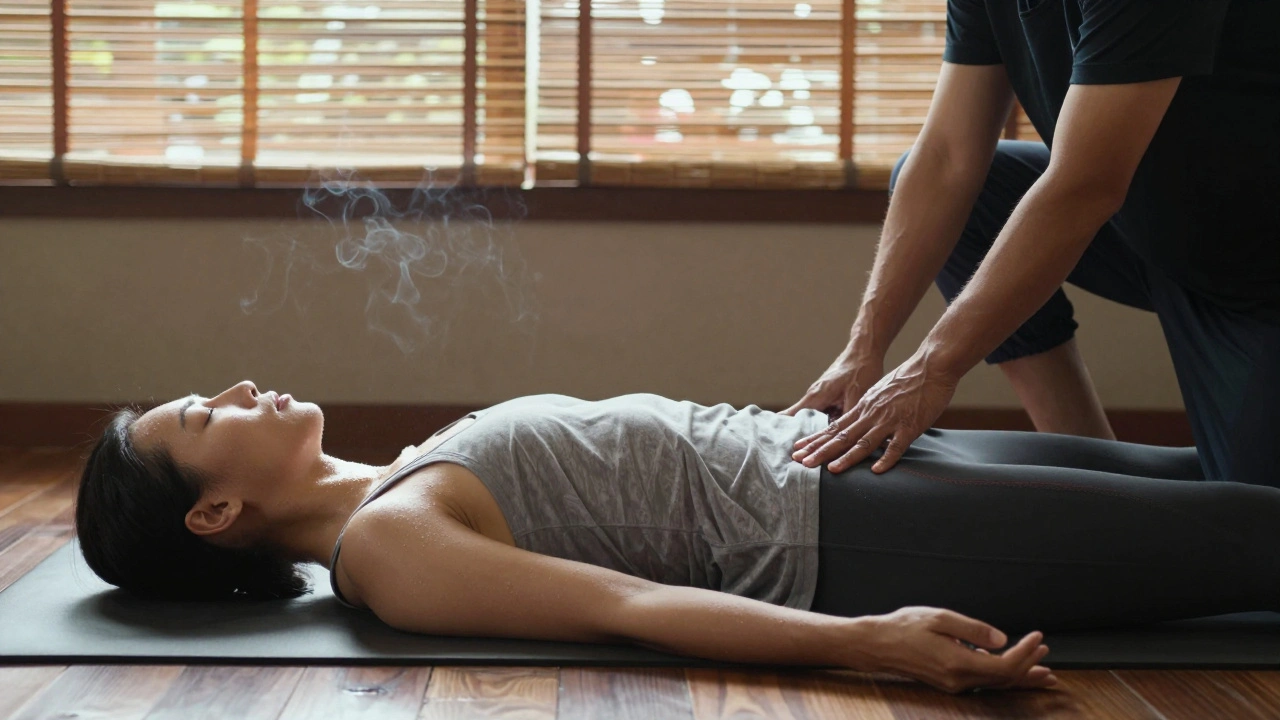
You show up in comfortable clothes-yoga pants, a t-shirt, anything loose. No need to undress. The therapist will have you lie on a padded mat on the floor.
The session starts slow. Gentle pressure along your back, then your legs. You’ll feel stretches you didn’t know you needed: your foot pulled gently toward your glutes, your arm rotated in a slow circle, your spine gently twisted. It’s not painful. It’s intense, but in a way that feels like your body is finally being allowed to breathe.
By the end, you’re not just looser-you feel taller. Your shoulders drop. Your hips rotate easier. You stand differently. That’s not placebo. That’s your nervous system resetting.
Most sessions last 60 to 90 minutes. First-timers often feel a little sore the next day-like after a great workout. That’s normal. It means your body is adjusting.
Where to Find Quality Thai Massage in the UK
You don’t need to fly to Bangkok. London, Manchester, Brighton, and even smaller towns like Bath and Bristol have certified Thai massage therapists. Look for these signs:
- Therapists trained at recognized schools like Wat Po in Bangkok or Thai Healing Massage Academy in the US.
- Clear mention of Sen lines (energy pathways) and asanas (yoga-inspired poses) in their service descriptions.
- Reviews mentioning specific improvements in mobility or injury prevention-not just "felt relaxed."
Check directories like TherapyDirectory.co.uk or MassageBook.com. Filter for "Thai massage" and read the therapist’s background. Don’t be afraid to ask: "Have you worked with athletes before?"
How Often Should Athletes Get Thai Massage?
It depends on your training load:
- Recreational athletes (2-3 workouts/week): Once every 2-3 weeks
- Competitive athletes (5+ workouts/week): Once a week
- During peak season or race prep: Twice a week for 4-6 weeks
- After injury recovery: Weekly for 4-6 weeks, then taper
Don’t wait until you’re in pain. Schedule it like you schedule your warm-up. It’s preventive care, not emergency repair.
What to Avoid
Thai massage is safe-but not if done wrong.
- Don’t go to someone who only does "Thai-style" massage. That’s often just deep tissue with music and incense. Real Thai massage includes full-body stretching and pressure on energy lines.
- Don’t push through sharp pain. Discomfort is normal. Shooting pain isn’t. Speak up.
- Don’t skip hydration. After a session, drink water. Your muscles are releasing toxins and need to flush them out.
- Don’t book right before a big race or game. Give yourself 24-48 hours to recover from the deep work. Use it for recovery, not pre-event hype.
Frequently Asked Questions
Can Thai massage help with chronic lower back pain from sitting all day?
Yes. Tight hip flexors and weak glutes from sitting pull on the lower spine. Thai massage releases those muscles and re-educates your pelvis to sit properly. Many desk workers report reduced pain after just 3 sessions.
Is Thai massage good for older athletes or seniors?
Absolutely. It’s low-impact and adaptable. Therapists modify pressure and stretches for joint issues. Many seniors use it to maintain mobility, reduce stiffness, and avoid falls by improving balance and flexibility.
Can I do Thai massage on myself?
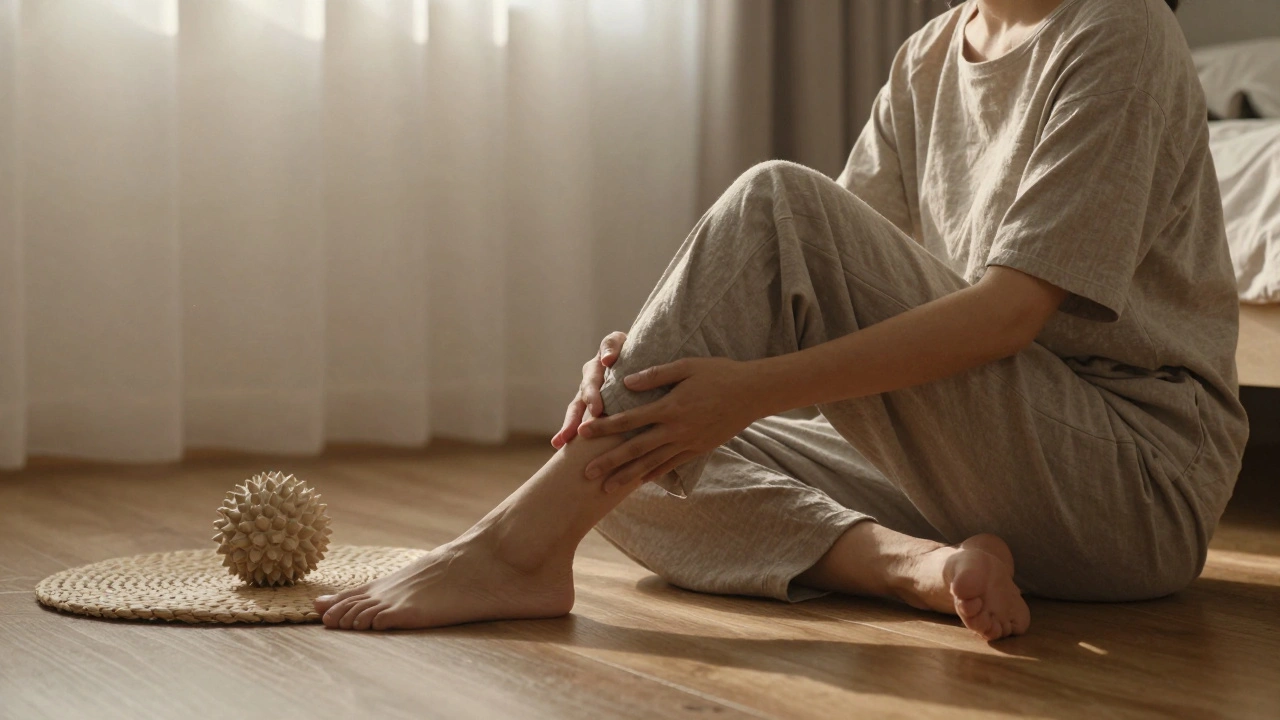
You can mimic some stretches with yoga or resistance bands, but you can’t replicate the pressure, alignment, or depth a trained therapist provides. It’s like trying to fix your own car with a screwdriver-you’ll get some results, but not the full benefit.
Does Thai massage hurt?
It shouldn’t. You’ll feel deep pressure and intense stretches, but it should never feel like a sharp or burning pain. A good therapist checks in constantly. If it hurts too much, say so. The goal is release, not punishment.
How long do the benefits last?
After one session, you’ll feel looser for 3-5 days. With regular sessions, your body starts to remember the new range of motion. After 6-8 weeks, you’ll notice lasting changes in posture, movement, and injury resistance.
If you’re serious about staying strong, mobile, and injury-free, Thai massage isn’t a luxury-it’s a tool. Treat it like your daily protein shake or sleep routine. Your body will thank you when you’re still moving well at 40, 50, and beyond.