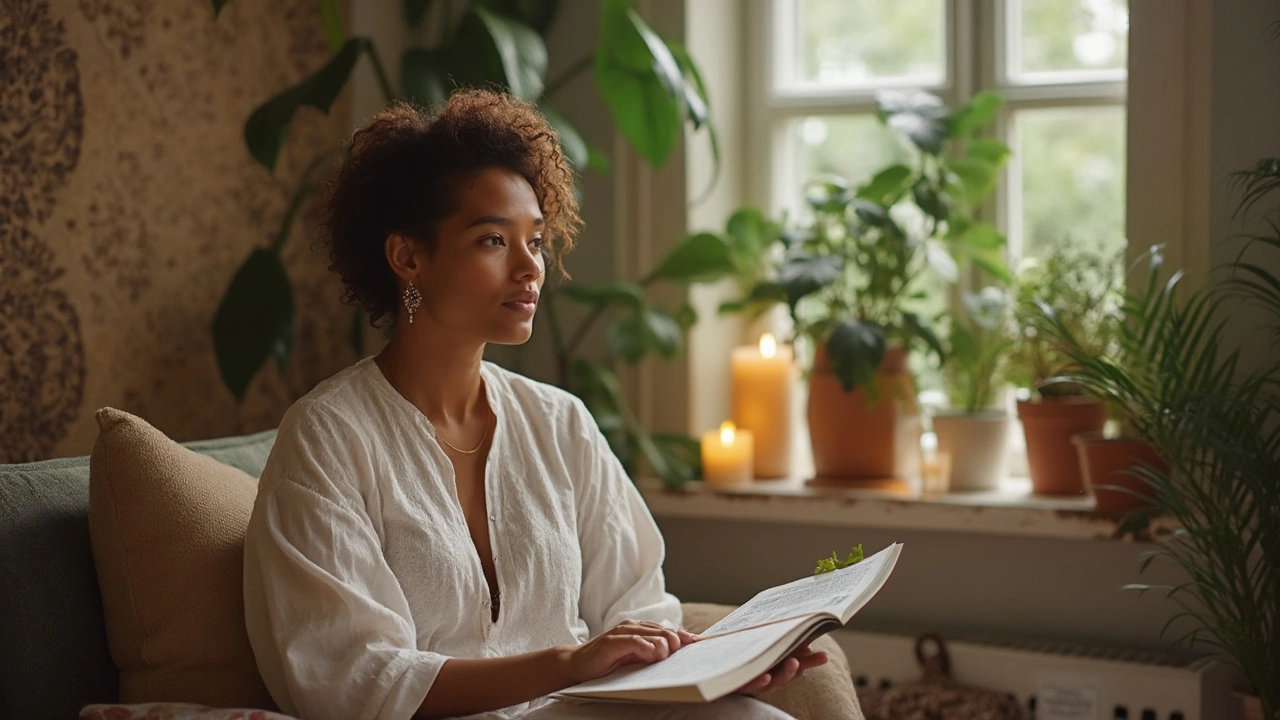
You don’t need a spa, a private room in a luxury hotel, or a professional therapist to experience deep, slow, soul-nourishing touch. All you need is a quiet corner, a few simple tools, and the intention to slow down. Creating a tantric massage sanctuary at home isn’t about luxury-it’s about presence. It’s about turning an ordinary space into a sacred pause in your day, where touch becomes a language of connection, not just physical release.
What Is a Tantric Massage Sanctuary?
A tantric massage sanctuary isn’t a room with candles and incense because it looks pretty. It’s a space designed to dissolve distractions and invite presence. Tantric massage comes from ancient practices that treat the body as a temple-not just for pleasure, but for awakening awareness. The goal isn’t orgasm; it’s expansion. Expansion of breath, of sensation, of stillness.In a tantric massage, time stretches. Skin becomes a map of feeling. Every touch is intentional. When you create a sanctuary for this at home, you’re not just setting up a massage area-you’re building a ritual space where you and your partner (or even just yourself) can reconnect with the body in a way modern life rarely allows.
Why Create One at Home?
Think about the last time you felt truly relaxed. Was it in a busy spa with strangers walking by? Or was it in your own home, when the lights were low, the noise was gone, and you could breathe without checking your phone?Home is the only place where you have full control. No scheduling conflicts. No awkward small talk. No pressure to be ‘good’ at it. At home, you can take five minutes-or two hours. You can stop and restart. You can cry, laugh, or sit in silence. That’s the power of a personal sanctuary.
People who build these spaces report deeper sleep, less anxiety, and more intimacy-not because they’re doing something exotic, but because they’re finally giving themselves permission to slow down.
Essential Elements of Your Sanctuary
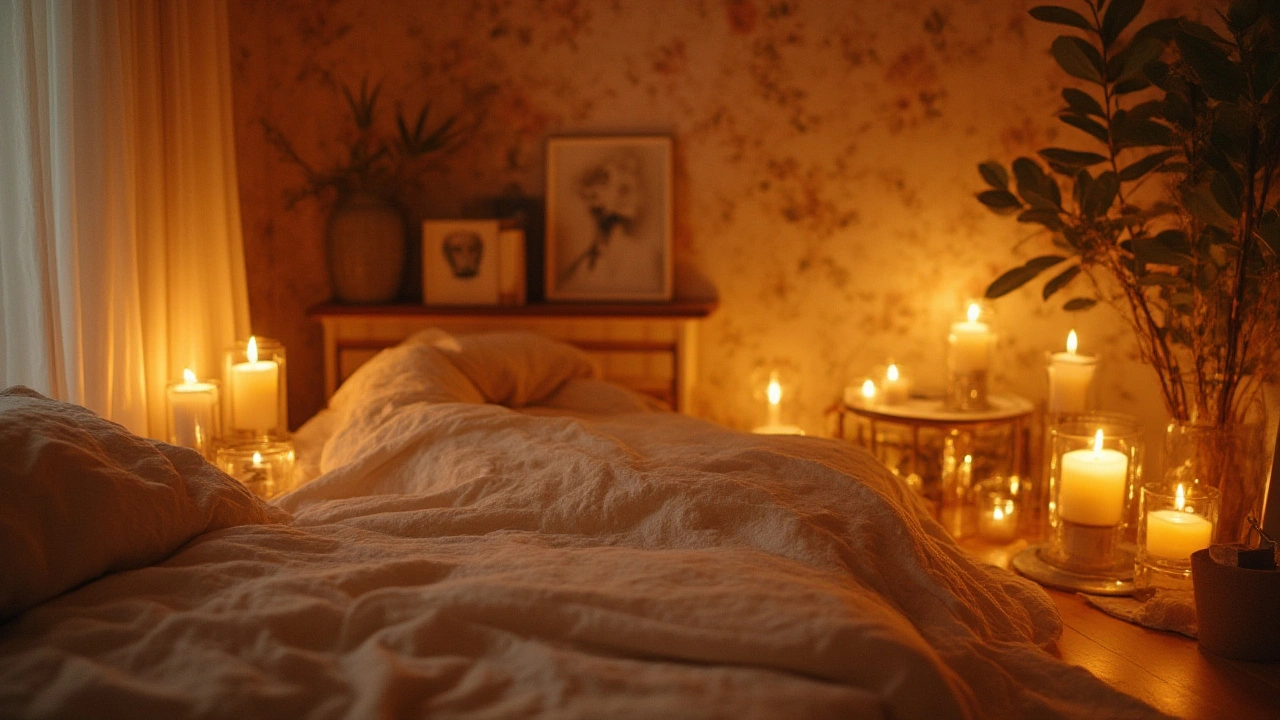
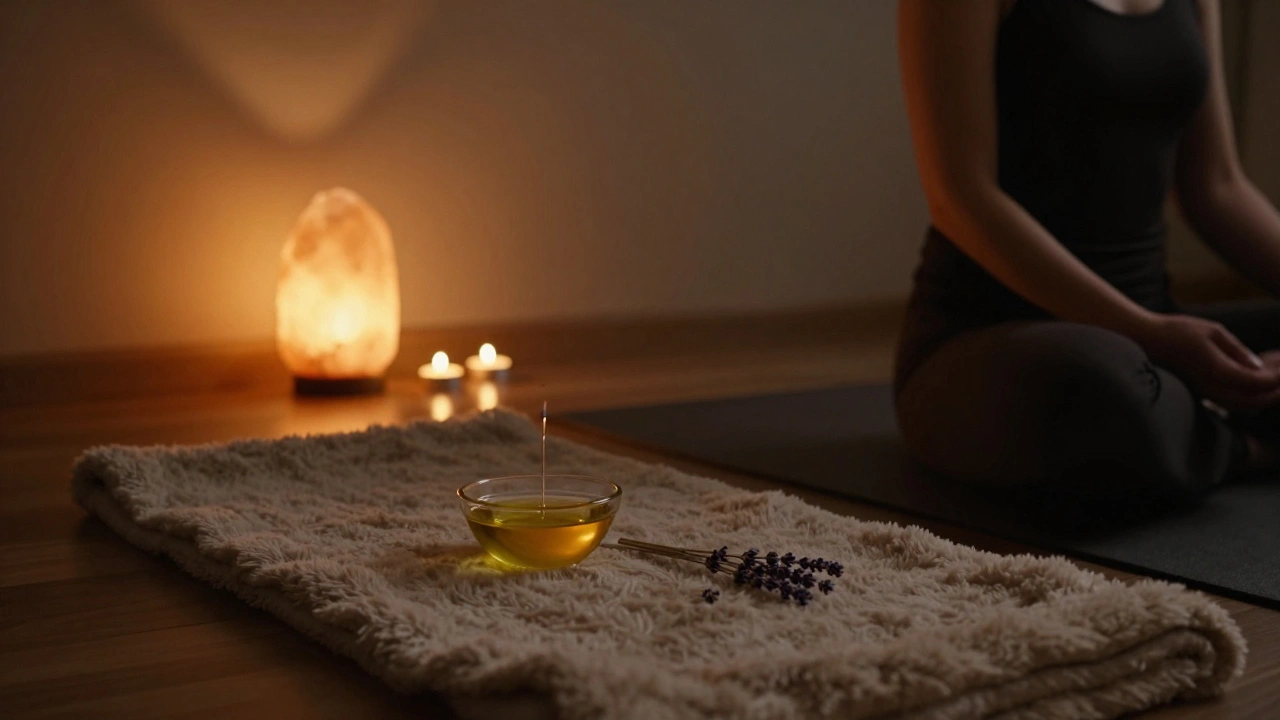
You don’t need much. But what you do use should serve one purpose: to help you feel safe, warm, and undisturbed.- Soft lighting: Harsh overhead lights are the enemy. Use salt lamps, fairy lights, or candles (battery-operated if you’re nervous about fire). The goal is a glow-not a spotlight.
- Comfortable surface: A thick yoga mat on the floor works. Or a low bed with a memory foam topper. Add a fleece blanket or a silk sheet. Skin should never touch cold surfaces.
- Warmth: Tantric touch thrives in warmth. Keep the room at 75-78°F (24-26°C). Have a heated blanket or a warm towel ready to drape over the body after the massage.
- Sound: Silence is golden, but if your mind races, try ambient sounds-rain, Tibetan bowls, or a low drone from a singing bowl. Avoid music with beats or lyrics. Your nervous system needs rhythm, not distraction.
- Touch-friendly oils: Use unrefined oils like coconut, almond, or sesame. Warm them in a glass bowl placed in hot water. Never use synthetic lotions. Your skin deserves real, nourishing ingredients.
- Air quality: Open the window for five minutes before you begin. Fresh air clears the mental clutter. Then close it. Add a single drop of lavender or frankincense essential oil to a diffuser-just enough to notice, not overwhelm.
How to Set It Up (Step by Step)
Here’s how to turn any unused corner into a sanctuary in under 15 minutes:
- Choose a quiet room-bedroom, spare room, even a corner of the living room if you can close the door.
- Clear the space. Remove clutter. Put away phones. Silence notifications. If you have kids or pets, let them know you’ll be unavailable for a while.
- Spread a large, soft towel or sheet on the floor or bed. Layer a second one on top for cushioning.
- Place your oil bottle, a small bowl of warm water (for rinsing hands), and a clean towel within easy reach.
- Light your candles or turn on the salt lamp. Set your sound source to play quietly in the background.
- Take three deep breaths. Inhale through your nose. Exhale through your mouth. Let your shoulders drop. This isn’t preparation-it’s the first part of the massage.
That’s it. No expensive gear. No complicated rituals. Just presence.
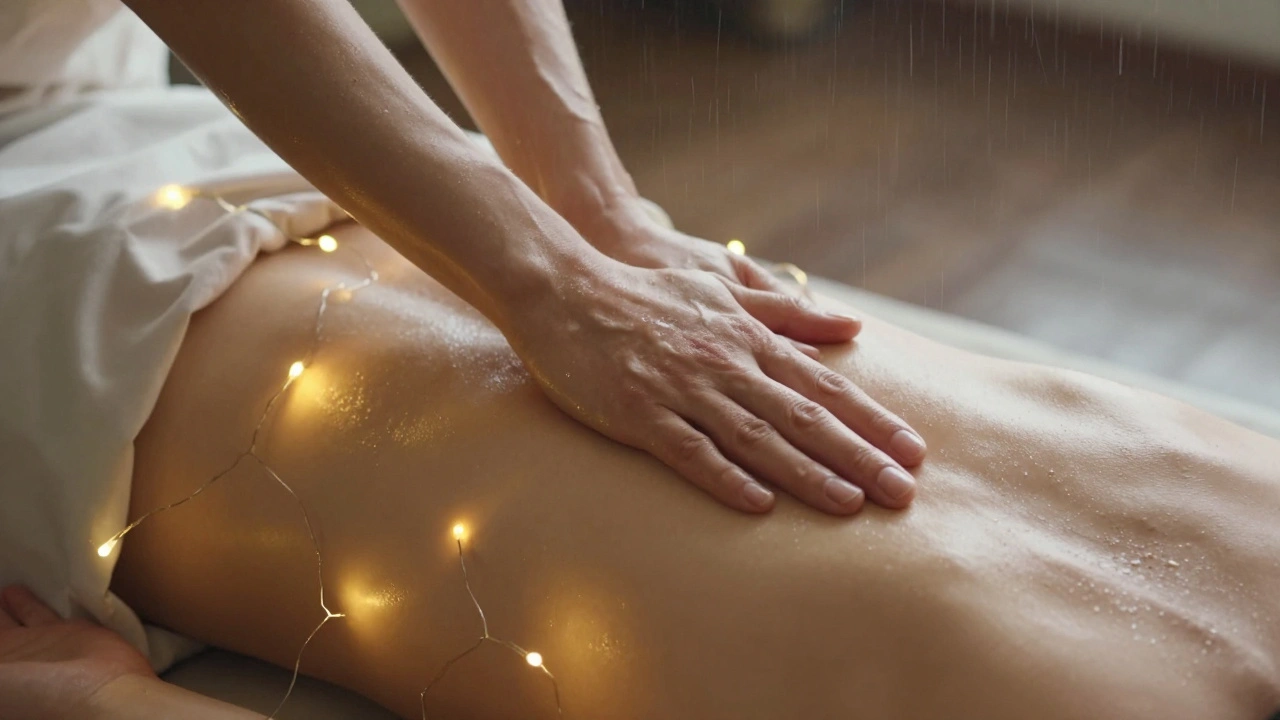
What Happens During a Tantric Massage Session?
A tantric massage isn’t about moving from point A to point B. It’s about staying with the feeling. Here’s what to expect:
- Slow starts: Begin with the feet. Not because they’re ‘easy,’ but because they’re grounded. Use the palm of your hand-not your fingers-to press gently into the arch. Let your touch be heavy, not ticklish.
- No rush: Spend at least 10 minutes on each body part. The hands, the back, the legs. Don’t hurry to get to the ‘good’ parts. The magic is in the waiting.
- Eye contact: If you’re with a partner, hold gaze for a few seconds at a time. No need to talk. Just look. This builds a bridge beyond words.
- Breath syncing: Breathe together. Inhale as your hand moves up the spine. Exhale as it moves down. Let your breath become the rhythm.
- Allow sensation: If you feel tingling, warmth, or even tears-don’t stop. That’s your nervous system releasing old tension. Let it happen.
It’s not about technique. It’s about attention. The most powerful tool you have isn’t your hands-it’s your focus.
Who Can Use This?
Anyone. Seriously.
You don’t need to be in a relationship. You don’t need to be spiritual. You don’t need to believe in chakras or energy fields. All you need is the willingness to feel your body without judgment.
People use this after divorce, after loss, after burnout. A single mom who gives herself 20 minutes after her kids fall asleep. A man recovering from surgery who rediscovers touch without pain. A couple who hasn’t hugged in months. This isn’t about sex. It’s about relearning how to be held.
Tantric Massage vs. Regular Massage
| Aspect | Tantric Massage | Regular Massage |
|---|---|---|
| Primary Goal | Awakening awareness, emotional release, deep connection | Relieve muscle tension, improve circulation |
| Speed | Slow, deliberate, unhurried | Efficient, timed sessions (60-90 mins) |
| Touch Style | Palm pressure, feather-light strokes, sustained contact | Kneading, deep tissue, rhythmic movements |
| Eye Contact | Encouraged, often central to the experience | Usually avoided |
| Sound | Quiet, ambient, or silence | Often music or no sound |
| Aftercare | Stillness, hydration, journaling, sharing feelings | Stretching, drinking water, returning to routine |
Common Mistakes to Avoid
Even with good intentions, people mess this up. Here’s what not to do:
- Using too much oil: Slippery hands break connection. Use just enough to glide-not to slick.
- Trying to ‘perform’: Don’t worry about doing it ‘right.’ There’s no exam. No scorecard.
- Letting your phone ring: If your phone buzzes, you’re not in sanctuary mode. Turn it off.
- Expecting a sexual outcome: Tantric touch can lead to arousal-but that’s not the goal. If you’re focused on that, you’re missing the point.
- Skipping the breath: If your breath is shallow, your nervous system stays in fight-or-flight. Breathe deep, even if it feels awkward.
What to Do After Your Session
The massage doesn’t end when your hands stop moving.
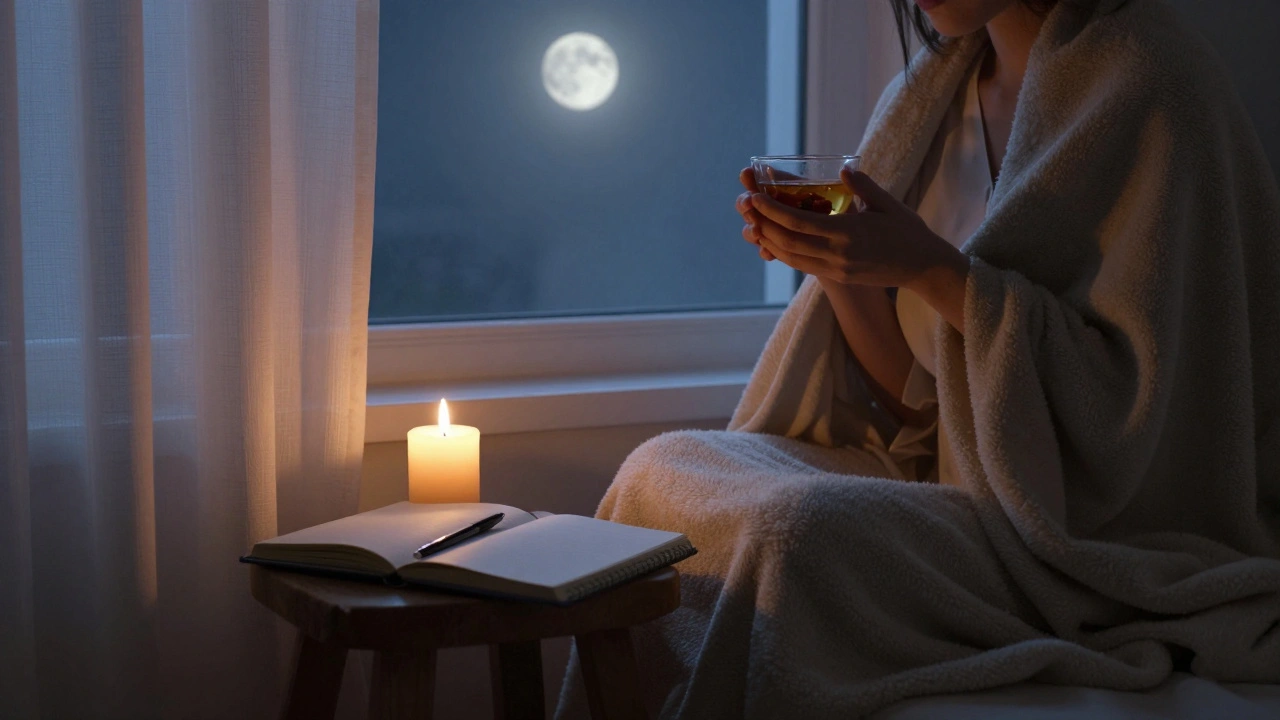
Stay still for at least five minutes. Wrap yourself in a blanket. Sip warm water or herbal tea. Don’t jump into chores or scrolling. Let the calm settle.
Some people journal. A simple prompt: What did my body feel today? No right or wrong answer. Just honesty.
If you’re with a partner, sit quietly and hold hands. Say nothing. Let the silence speak.
Frequently Asked Questions
Do I need a partner to do tantric massage at home?
No. Many people practice self-tantric massage. It’s a powerful way to reconnect with your body after stress, trauma, or emotional exhaustion. Start with your hands-gently stroke your arms, legs, and back. Focus on the sensation, not the outcome. Self-touch builds self-trust.
Can tantric massage help with anxiety or trauma?
Yes. Tantric touch helps regulate the nervous system by activating the parasympathetic response-the body’s natural ‘rest and digest’ mode. People with PTSD, chronic stress, or anxiety disorders often find relief in slow, non-demanding touch. It’s not therapy, but it can support healing. Always pair it with professional care if you’re dealing with trauma.
How often should I do this?
Once a week is ideal for most people. But even once a month makes a difference. Think of it like watering a plant-you don’t need to do it every day, but skipping it for months will make it wilt. Consistency matters more than duration.
Is tantric massage the same as erotic massage?
No. Erotic massage is focused on sexual stimulation and release. Tantric massage is focused on awareness, presence, and energy flow. While arousal can happen, it’s not the goal. If you’re looking for sex, you’re missing the point. If you’re looking for peace, you’re on the right path.
What if I feel uncomfortable during the massage?
Stop. That’s it. No guilt. No pressure. Tantric practice is about honoring your boundaries, not pushing past them. If something feels wrong, pause, breathe, and adjust. You’re in control. Always.
Start Small. Stay Consistent.
You don’t need to transform your whole house. Start with one corner. One candle. One quiet evening. Let your sanctuary grow as you grow.
This isn’t about becoming a tantric expert. It’s about remembering that your body deserves more than speed, noise, and distraction. It deserves slow touch. Deep breaths. Quiet moments.
Tomorrow night, try it. Turn off the lights. Light a candle. Breathe. And let your hands be gentle.