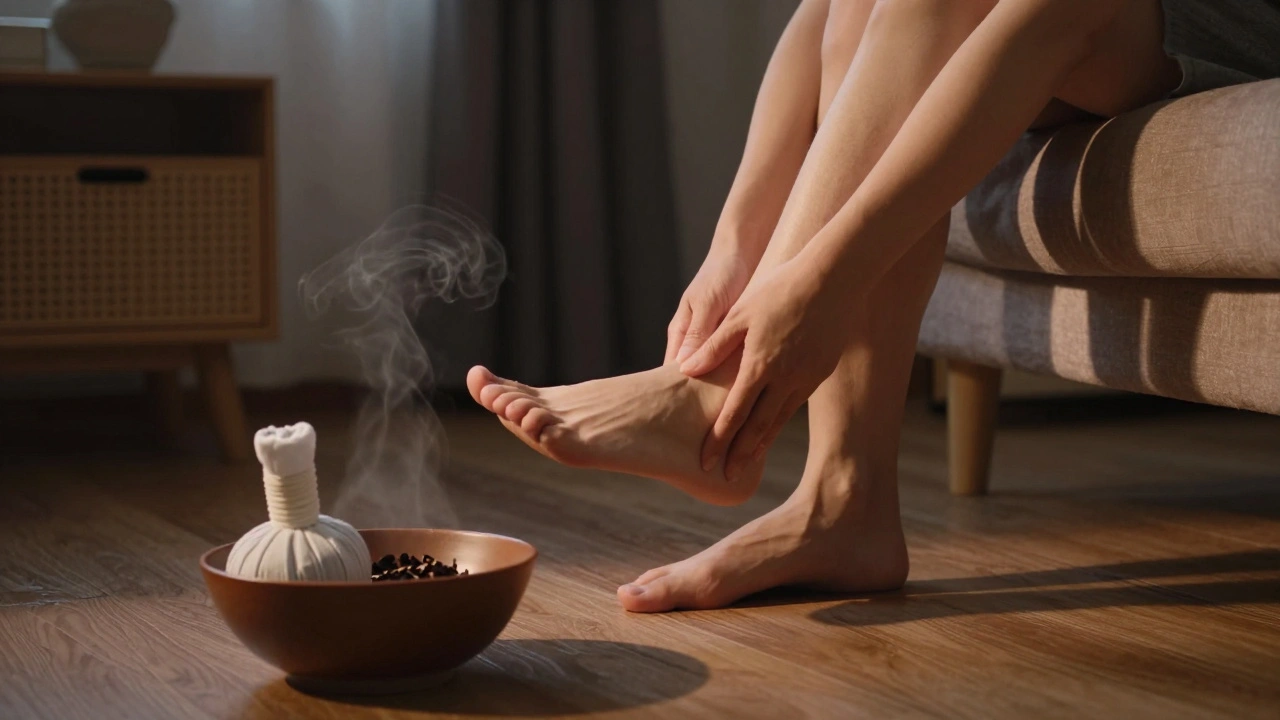
You’ve had a long day. Your feet are throbbing, your shoulders are tight, and your mind won’t shut off. What if you could calm all of that-not with pills, not with expensive gadgets-but just by pressing your feet? Foot massage isn’t just a luxury. It’s a simple, powerful tool that’s been used for thousands of years to ease pain, reduce stress, and even help with digestion and sleep. And you don’t need a spa to do it.
What Exactly Is Foot Massage?
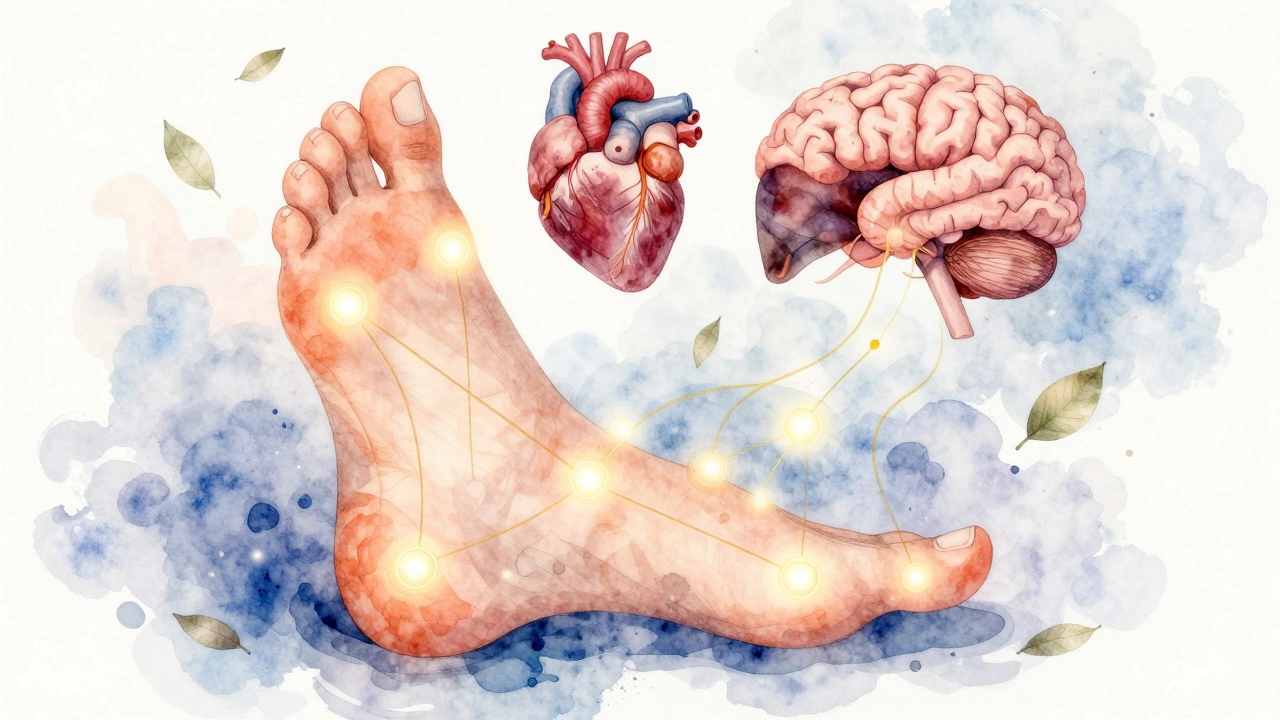
Foot massage is the manual manipulation of the feet using pressure, rubbing, and stretching. It’s not just about feeling good-it’s rooted in ancient healing traditions like Chinese reflexology, Ayurveda, and Thai bodywork. The idea? Your feet are a map of your body. Press certain spots, and you stimulate organs, nerves, and muscles far away.
Modern science backs this up. A 2021 study in the Journal of Bodywork and Movement Therapies found that people who received regular foot massages reported lower levels of cortisol (the stress hormone) and improved circulation in their lower limbs. Another trial with 60 adults with chronic foot pain showed a 65% reduction in discomfort after just four weekly sessions.
It’s not magic. It’s biology. Your feet have over 7,000 nerve endings. When you massage them, you send signals to your brain that say, “Relax. You’re safe.” That’s why even a five-minute foot rub can make you feel calmer, lighter, and more grounded.
Why Foot Massage Works for Common Ailments
Let’s get real. Most people don’t get foot massages because they want to “treat themselves.” They get them because they’re hurting. And here’s what it helps with:
- Foot and heel pain - Whether it’s plantar fasciitis, flat feet, or just standing all day, massage loosens tight connective tissue and increases blood flow to repair damaged areas.
- Swelling in the legs - If your ankles puff up after work or travel, gentle foot massage encourages lymphatic drainage. You’re literally helping your body flush out fluid.
- Insomnia - A 2020 study from the University of Miami found that cancer patients who got daily foot massages fell asleep 30% faster and slept longer. Why? It activates the parasympathetic nervous system-the one that says, “It’s time to rest.”
- Anxiety and stress - When your feet are being worked on, your brain stops focusing on your to-do list. It’s a full-body reset.
- Headaches and migraines - Pressing the inner edge of your big toe can ease tension headaches. It’s not a cure, but for many, it’s a reliable first-aid trick.
- Digestive issues - Reflexology maps show the colon and stomach connected to the arch and ball of the foot. Many people report less bloating and improved bowel movements after regular sessions.
These aren’t anecdotes. They’re documented outcomes. You don’t need a degree to use this. You just need your hands-and a little patience.
Types of Foot Massage You Can Try
Not all foot massages are the same. Here are the three most common styles you’ll come across-and how they differ:
- Reflexology - Focuses on specific pressure points tied to organs. Practitioners use thumb-walking techniques. Best for targeted relief, like easing sinus pressure or improving sleep.
- Swedish Foot Massage - Uses long strokes, kneading, and circular movements. Great for general relaxation and circulation. Think of it as a spa version of a foot rub.
- Thai Foot Massage - Combines acupressure with stretching and herbal compresses. Often done on a mat with your legs elevated. More intense, but excellent for chronic stiffness.
For most people starting out, Swedish or simple self-massage works best. You don’t need to book a session right away. You can start tonight.
How to Do a Foot Massage at Home
You don’t need tools. You don’t need oil. You just need 10 minutes and a chair.
- Remove your shoes and socks. Sit comfortably with one foot resting on your opposite knee.
- Apply a little lotion or coconut oil (optional, but it helps hands glide).
- Start at the heel. Use your thumbs to press in circles for 30 seconds.
- Move to the arch. Pinch and roll the skin between your thumb and fingers. This is where most tension hides.
- Work on the ball of the foot. Press firmly but gently along the curve-this area links to your stomach and intestines.
- Massage each toe individually. Pull gently, then rotate. This helps with nerve flow.
- Finish by rubbing the sole from heel to toes in long strokes, like you’re wiping away stress.
Do this for 5-10 minutes per foot, 3-4 times a week. You’ll notice the difference in how you move, how you sleep, even how you think.
What to Expect During a Professional Session
If you decide to go to a therapist, here’s what usually happens:
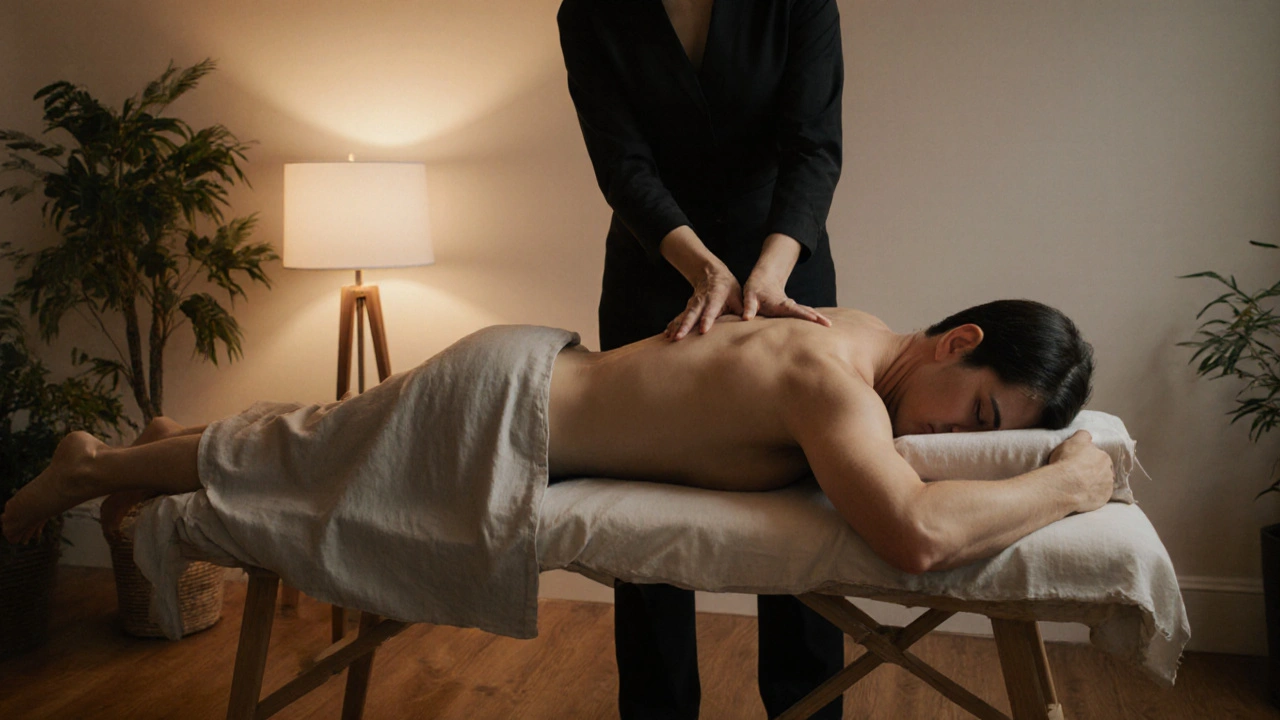
- You’ll lie back or sit in a reclining chair. No need to undress-just roll up your pants.
- The therapist will use warm towels, oils, or herbal pastes. The room is quiet, dim, and calm.
- They’ll start with light strokes, then gradually increase pressure. If it hurts too much, speak up. Good therapists adjust on the spot.
- Most sessions last 30-60 minutes. You’ll feel deeply relaxed, sometimes even a little sleepy.
- Afterward, drink water. Your body is releasing toxins, and hydration helps flush them out.
It’s not a medical treatment. But for many, it’s the most effective thing they’ve tried for chronic pain or anxiety.
Foot Massage vs. Other Pain Relief Methods
How does it stack up against the usual suspects?
| Method | Cost (per session) | Time to Feel Better | Side Effects | Long-Term Benefit |
|---|---|---|---|---|
| Foot Massage | £30-£60 | Immediately (relaxation), 1-2 weeks (pain) | None (if done properly) | Yes-improves circulation, reduces tension buildup |
| NSAIDs (e.g., ibuprofen) | £2-£5 | 30-60 minutes | Stomach upset, kidney strain with long use | No-just masks symptoms |
| Physical Therapy | £50-£90 | 2-6 weeks | Can be intense or uncomfortable | Yes-builds strength, but requires commitment |
| Orthotics | £80-£200 | Weeks to months | Can cause new pressure points | Yes-structural, but expensive |
Foot massage wins on safety, speed, and cost. It doesn’t replace medical care for serious conditions-but for everyday aches? It’s hard to beat.
Safety Tips: What to Avoid
Foot massage is safe for most people. But here’s when to be careful:
- Don’t massage if you have open sores, infections, or blood clots. Pressure could spread bacteria or dislodge a clot.
- Avoid deep pressure during pregnancy. Some reflexology points may trigger contractions-stick to light, soothing strokes.
- Diabetics should check their feet daily. Nerve damage can make you insensitive to pain. Always test pressure first.
- Don’t do it right after eating. Wait at least an hour. Your body needs energy to digest.
- Listen to your body. If it feels sharp or burning, stop. Soreness is fine. Pain isn’t.
When in doubt, ask your doctor. But for most healthy adults, foot massage is one of the safest wellness habits you can adopt.
Where to Find Foot Massage Services in London
London has no shortage of places to get a foot massage. But not all are equal.
- Wellness clinics in areas like Notting Hill, Camden, and Shoreditch offer reflexology and Thai foot massage. Look for therapists with certifications from the International Institute of Reflexology.
- Spa hotels like The Savoy or The Zetter have premium foot rituals-great for treating yourself.
- Community centres in boroughs like Lambeth and Hackney often run low-cost sessions (£10-£15) for locals.
- Mobile therapists can come to your home. Search “foot massage London home visit” on Google or Checkatrade.
Read reviews. Ask if they use natural oils. Avoid places that push expensive packages on your first visit. Good therapists don’t pressure you.
Frequently Asked Questions
Can foot massage help with plantar fasciitis?
Yes. Studies show that daily foot massage reduces inflammation and breaks up scar tissue in the plantar fascia. Combine it with stretching and proper footwear, and recovery speeds up significantly. Many physiotherapists now include foot massage in their treatment plans.
How often should I get a foot massage?
For general wellness, once a week is ideal. If you’re dealing with pain or stress, 2-3 times a week for 2-4 weeks can make a big difference. After that, switch to maintenance-once every 1-2 weeks. Daily self-massage for 5 minutes works wonders too.
Is foot massage safe for elderly people?
Absolutely. In fact, older adults often benefit the most. Improved circulation helps with numbness, swelling, and mobility. Just avoid deep pressure if they have thin skin or fragile bones. Light, rhythmic strokes are perfect.
Can foot massage cure diabetes or high blood pressure?
No. Foot massage doesn’t cure chronic diseases. But it can help manage symptoms. For example, it improves circulation in diabetic patients, reducing numbness. It also lowers blood pressure slightly by reducing stress. Think of it as a supportive tool-not a replacement for medical care.
Why do I feel tired after a foot massage?
That’s normal. Your body is releasing tension and toxins, and your nervous system is shifting into rest mode. It’s like hitting a reset button. Drink water, rest for an hour, and you’ll feel refreshed-not sluggish.
Do I need special oils or tools?
Not at all. Your hands are the best tool. A little coconut oil or lotion helps if your skin is dry. You can use a tennis ball or foam roller to roll under your foot-great for quick relief between sessions. But fancy gadgets? Overkill.
Ready to Feel Better?
You don’t need a prescription. You don’t need to spend hundreds. You just need to start using your feet the way they were meant to be used-not just to carry you, but to heal you too. Try a 5-minute foot rub tonight. Notice how your shoulders drop. How your breathing slows. How your mind quiets.
That’s not luck. That’s your body responding to simple, ancient care. And it’s available to you-right now-no appointment needed.



Bruce Shortz
January 22, 2026 AT 15:47I started doing this after my buddy showed me how to rub his feet after a long shift. Dude was always sore, but now? He sleeps like a baby. No pills, no fancy gadgets-just my thumbs and a little coconut oil. Took me a week to get the hang of it, but now I do it every night before bed. Feels like I’m melting into the couch.
Also, weirdly, my headaches stopped. Not 100%, but way less often. I’m not even trying to be holistic-I just like not hurting.