You know that heavy feeling in your shoulders after a long day? Or how your neck tightens up like a coiled spring by mid-afternoon? Maybe you’ve tried stretching, scrolling through calming videos, or even just lying still with your eyes closed. But nothing seems to truly melt the tension like a good, deep body massage. And it’s not just a luxury-it’s a simple, powerful tool your body actually needs.
Key Takeaways
- Regular body massage reduces chronic muscle tension and improves mobility
- It lowers cortisol (the stress hormone) and boosts serotonin and dopamine
- Improves sleep quality by calming the nervous system
- Helps with headaches, back pain, and even digestion
- Even 30 minutes once a week can make a noticeable difference
Why Your Body Craves This
Think of your muscles like old rubber bands. The more you stretch and strain them-whether from sitting at a desk, lifting kids, or standing on your feet all day-the more they lose their bounce. Over time, they get knotted up, stiff, and sore. A body massage doesn’t just rub away surface tension. It literally helps your muscles relax, rehydrate, and reset.
When pressure is applied during a massage, your body releases endorphins. These are the same chemicals that make you feel good after a run or a laugh with friends. At the same time, cortisol levels drop. That’s the hormone tied to stress, anxiety, and even weight gain. One 2023 study from the Journal of Clinical Psychology found that people who got weekly massages for six weeks reported a 31% drop in perceived stress and a 27% improvement in sleep.
It’s not magic. It’s biology.
What Happens During a Body Massage?
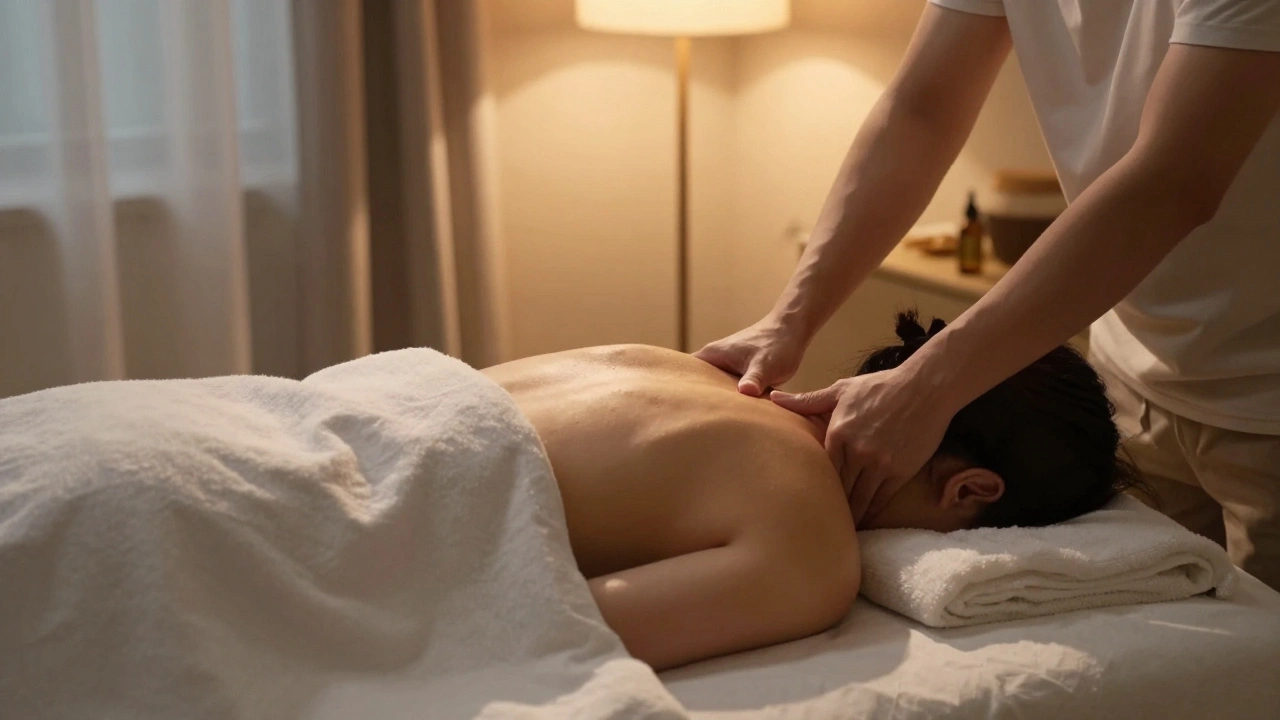
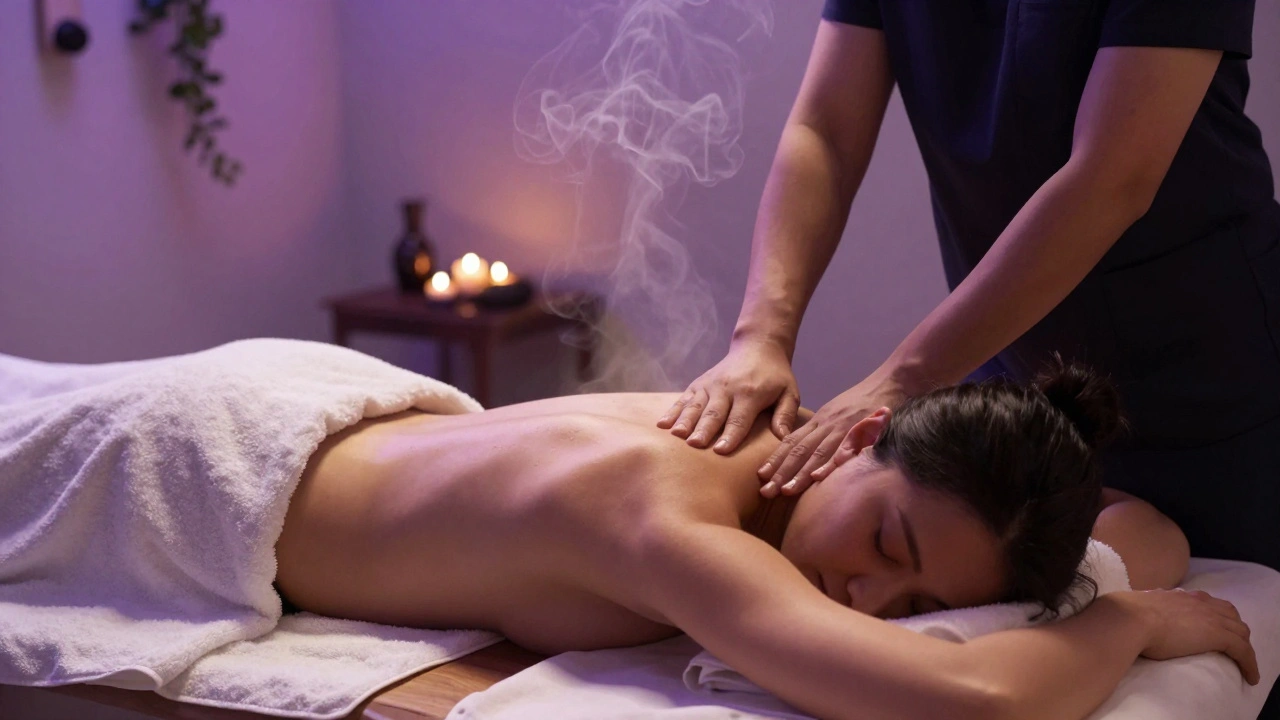
You lie down on a warm table, soft music plays, and the scent of lavender drifts through the air. The therapist starts with light strokes-just enough to calm your nervous system. Then comes the deeper work: kneading your shoulders, working out knots in your lower back, gently stretching your hamstrings. It’s not always comfortable. Sometimes it even feels a little intense. But that’s the point. You’re not being tickled. You’re being repaired.
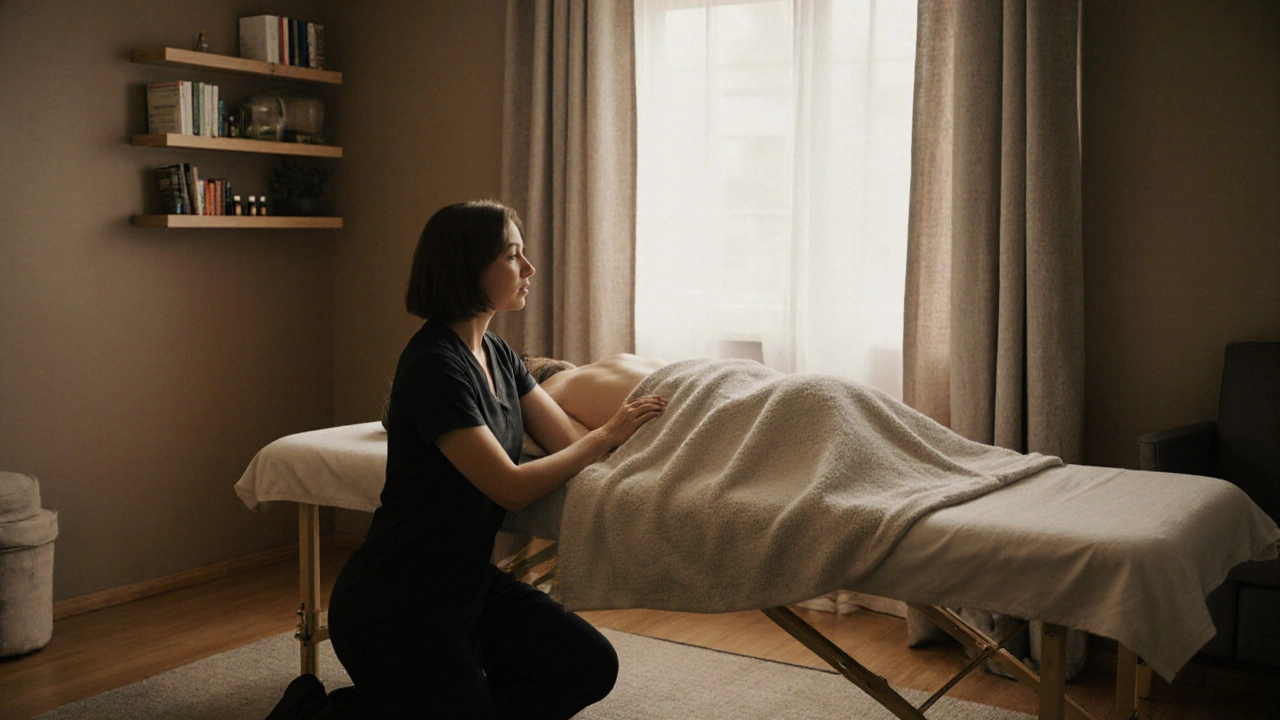
Most sessions last between 60 and 90 minutes. You’re covered with towels the whole time. Only the area being worked on is exposed. There’s no awkwardness. Just quiet, focused care. Afterward, you feel lighter-like you’ve shed a coat you didn’t realize you were wearing.
Real Benefits You Can Feel
1. Less Pain, More Movement
Chronic back pain? Tight hips? A massage doesn’t fix everything overnight, but it helps your body heal. By increasing blood flow to stiff areas, it brings oxygen and nutrients where they’re needed. Many people with lower back pain say they can finally bend over to tie their shoes again after just a few sessions.
2. Better Sleep
If you’re lying awake at 2 a.m. replaying your to-do list, a massage might be the missing piece. The deep relaxation triggers your parasympathetic nervous system-the one that says, “It’s safe to rest.” People who get regular massages often fall asleep faster and stay asleep longer.
3. Fewer Headaches
Tension headaches? They’re often caused by tight neck and shoulder muscles. A targeted massage on these areas can cut the frequency of headaches by half for some people. No pills needed.
4. Improved Digestion
Yes, really. The gentle pressure on your abdomen during a full-body massage can stimulate your gut. It helps move things along, easing bloating and constipation. Think of it as an internal tune-up.
5. Mental Clarity
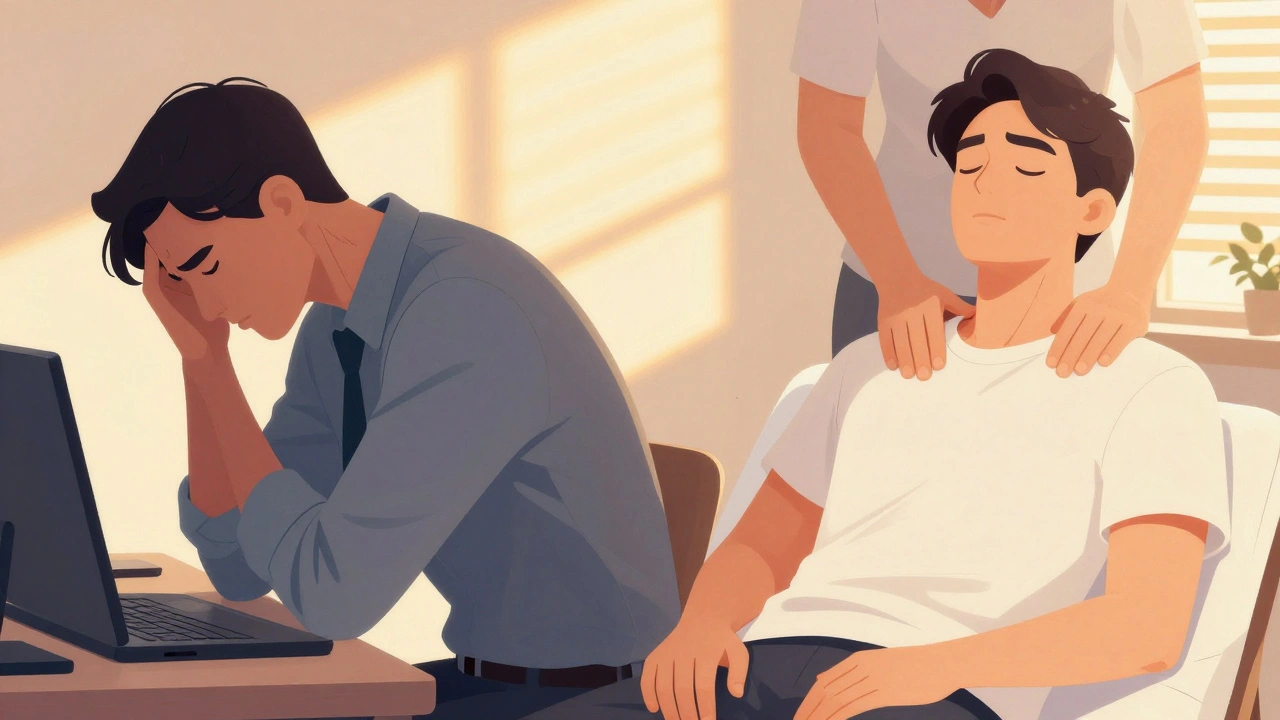
When your body is relaxed, your mind follows. People report feeling more focused, less scattered, and better able to handle daily stress. It’s like hitting a reset button for your brain.
Types of Body Massage Available in London
Not all massages are the same. Here’s what you’ll find in London:
- Swedish Massage - Gentle, flowing strokes. Perfect if you’re new to massage or just want to unwind.
- Deep Tissue Massage - Targets deeper layers of muscle. Ideal for athletes, desk workers, or anyone with chronic tightness.
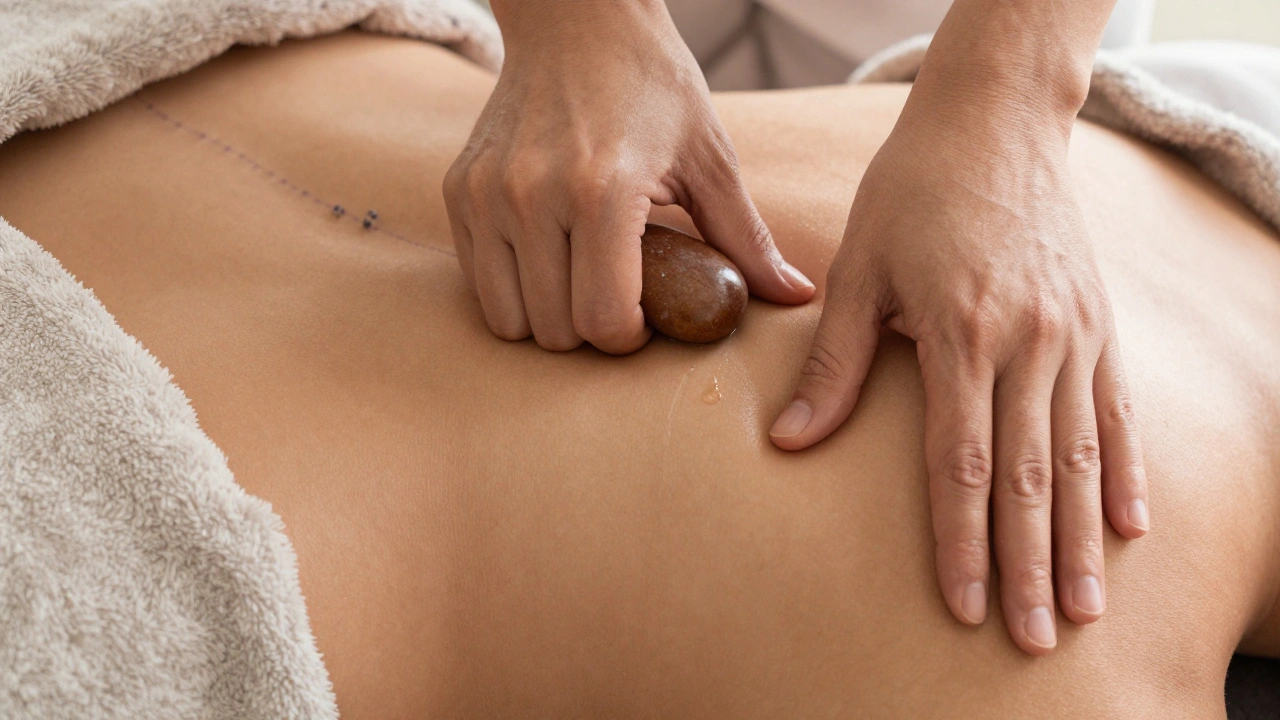
- Hot Stone Massage - Smooth, heated stones are placed along your back and spine. The warmth melts tension like butter.
- Trigger Point Therapy - Focuses on specific knots (trigger points) that refer pain to other areas. Great for shoulder and neck pain.
- Aromatherapy Massage - Essential oils (like lavender or eucalyptus) are used to enhance relaxation and mood.
Most therapists in London offer a mix of these techniques. You can ask for a custom session based on what’s bothering you.
How to Find a Good Massage Therapist in London
You don’t need to go to a fancy spa. Some of the best sessions happen in quiet, independent studios.
- Check Google Reviews-look for therapists with 4.8+ ratings and at least 50 reviews.
- Look for qualified therapists-they should be certified by a recognized body like the Complementary and Natural Healthcare Council (CNHC).
- Try local recommendations-ask your gym, yoga studio, or doctor. Word-of-mouth still works.
- Visit Wellness Hubs like Notting Hill, Shoreditch, or Camden. Many independent therapists set up shop in these areas.
Don’t be afraid to call ahead. Ask: “Do you specialize in stress relief?” or “Can you work on lower back pain?” A good therapist will listen and adjust.
What to Expect on Your First Visit
Arrive 10 minutes early. You’ll fill out a short form-nothing too personal. Just your health history: any injuries, surgeries, or conditions like high blood pressure.
The therapist will ask what you’d like to focus on. Then you’ll undress to your comfort level (underwear is fine). You’ll be draped the whole time. No surprises.
The massage starts slow. If it’s too hard, say so. If it feels perfect, don’t be shy-you can say, “That’s the spot.”
Afterward, drink water. It helps flush out toxins released during the massage. You might feel a little tired, and that’s normal. Many people nap after their session. And that’s okay too.
Pricing and Booking
In London, prices vary by location and experience:
- 60-minute session: £50-£80 (independent therapists)
- 90-minute session: £75-£120
- Spa or luxury clinic: £100-£180
Many places offer package deals-buy 5 sessions, get the 6th free. That brings the cost down to under £50 per session. It’s a small price to pay for better sleep, less pain, and more calm.
Booking is easy. Most therapists use online systems like Acuity or Calendly. You can book 24/7. Some even offer evening or weekend slots for people with busy jobs.
Safety Tips
- Always tell your therapist if you’re pregnant, have a recent injury, or are on blood thinners.
- Avoid deep pressure if you have osteoporosis or severe arthritis.
- Don’t get a massage if you have a fever, infection, or open wounds.
- If your massage hurts more than it helps, speak up. Pain isn’t progress.
- Hydrate well before and after. Your muscles need water to recover.
Body Massage vs. Stretching: Which Works Better?
| Aspect | Body Massage | Stretching |
|---|---|---|
| Speed of Relief | Immediate (within minutes) | Gradual (days/weeks) |
| Depth of Tension Release | Deep muscle layers | Surface muscles only |
| Stress Hormone Reduction | Significant drop in cortisol | Mild reduction |
| Neurological Impact | Activates relaxation response | Minimal nervous system effect |
| Long-Term Benefits | Improved mobility, fewer headaches, better sleep | Improved flexibility |
Stretching is great. But if you’re dealing with deep knots, chronic pain, or mental burnout, massage does something stretching can’t: it tells your nervous system, “You’re safe.” That’s why the combination works best-stretch in the morning, massage once a week.
Frequently Asked Questions
How often should I get a body massage?
For most people, once a week is ideal if you’re dealing with stress or pain. If you’re just maintaining, once every two to three weeks works. Even monthly sessions help. Think of it like brushing your teeth-consistency matters more than intensity.
Can I get a massage if I’m pregnant?
Yes, but only with a therapist trained in prenatal massage. They’ll avoid certain pressure points and use special positioning. Many women find it eases back pain, swelling, and anxiety during pregnancy. Always check with your doctor first.
Do I need to undress completely?
No. You undress to your comfort level. Most people keep their underwear on. The therapist will only uncover the area they’re working on. You’ll be covered with towels at all times. Privacy and comfort are non-negotiable.
Is massage just for relaxation, or does it help with injuries?
It does both. Massage increases circulation, reduces inflammation, and helps break down scar tissue. Many physiotherapists recommend it after injuries like sprains or strains. It’s not a replacement for medical care, but it supports healing.
I’m not flexible. Can I still benefit?
Absolutely. In fact, people who are stiff or tight benefit the most. Massage helps release tension you didn’t even know you had. You don’t need to be flexible to relax.
Ready to Find Your Zen?
You don’t need to wait until you’re in pain to try this. Start small. Book one 60-minute session. See how you feel the next day. Chances are, you’ll notice your shoulders are lower, your breathing deeper, your mind quieter. And you’ll want to do it again.
Because your body isn’t just a machine you drive. It’s the home you live in. And it deserves to be cared for.